
Applications of Vacuum Pumps
vacuum pump is indispensable in numerous industries, enabling processes that cannot occur under normal atmospheric pressure. By creating low-pressure environments, they make it possible to perform highly specialized, efficient, and safe operations. Below is an overview of their key applications across various sectors.
The content on this page is just a guest post and is prepared by someone else. Techdic does not assume any responsibility for this article, the content of the pages that are linked in this article, or the services related to them. We do not approve or reject them.
Petrochemical Industry

In large-scale operations like petrochemicals, vacuum pumps are integral to essential processes:
- Gas and oil recovery: Extracting and reusing byproduct gases and liquids in refineries.
- Removal of excess or hazardous gases: Safely eliminating unwanted gases during separation and refining.
- Crude oil stabilization and distillation: Enhancing quality and efficiency with vacuum-assisted refining.
- Exhaust gas compression: Reducing emissions and optimizing energy usage.
- Polymer production: Essential for creating materials like polyester and PVC.
- Filtration and material transfer: Particularly for volatile or heat-sensitive substances.
- Production of chlorine and industrial chemicals: Processes that require isolated vacuum conditions.
Power Industry

In power generation, vacuum pumps contribute to performance, efficiency, and safety:
- Gas recovery in closed-loop systems.
- Leak detection in pipelines and machinery.
- Drying insulation materials and electrical components.
- Filtering oils and insulating fluids.
- Component testing under vacuum conditions.
- Improving turbine condenser efficiency.
- Handling ash and waste in power plants.
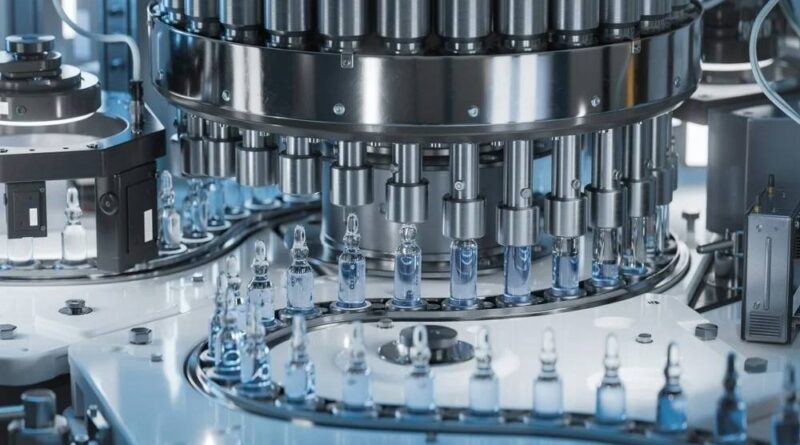
Pharmaceutical Industry
Hygiene and precision are critical in pharmaceuticals, making vacuum pumps essential for:
- Gentle drying of sensitive drugs.
- Distillation and concentration of solutions.
- Degassing liquids to improve stability.
- Crystallization, evaporation, and sterile packaging.
- Safe transfer and recovery of chemicals.
- Equipment sterilization under vacuum conditions.
Paper & Pulp Manufacturing
In paper production, vacuum pumps streamline operations and boost product quality:
- Drying pulp and paper by removing moisture.
- Water recovery during processing.
- Stabilizing paper with suction rolls.
- Vacuum pressing for pulp compression.
- Energy savings in continuous production lines.
Automotive Industry
Vehicle manufacturing and testing rely on vacuum systems for:
- Cooling during metal heat treatments.
- Cleaning and descaling internal components.
- Vacuum cathodic coating and electrochemical processes.
- Manufacturing vacuum-dependent components like brake boosters.
- Simulated pressure testing of parts.
- Vacuum systems for automotive HVAC assembly.
Semiconductor & Electronics Industry
In high-tech manufacturing, vacuum is vital for precision and cleanliness:
- Production of vacuum tubes and semiconductor devices.
- Photolithography and light exposure systems.
- Etching micro-patterns onto surfaces.
- Ion beam and plasma etching.
- Lamination, plug-hole drilling, and nanocoating.
Environmental Protection
Vacuum technology plays a role in sustainability and environmental processes:
- Wastewater treatment and purification.
- Biogas compression for storage or reuse.
- Vacuum-assisted oxidation in sludge treatment.
- Aeration of fish ponds and aquaculture systems.
- Recovery of reusable or harmful gases.
- Odor and pollution control in waste disposal.
Food & Beverage Industry
Vacuum pumps help ensure product safety, quality, and longevity:
- Vacuum drying to retain nutrients and flavor.
- Distillation of flavors and extracts.
- Concentrating syrups and sauces.
- Vacuum packaging to prevent spoilage.
- Freeze-drying for long-term storage.
- Pasteurizing and degassing beverages.
Woodworking Industry
In wood processing and furniture manufacturing, vacuum pumps are used for:
- Safe handling and lifting of heavy wooden sheets.
- Controlled wood drying to prevent defects.
- Protective treatments for durability.
- Vacuum impregnation with resins, preservatives, or stains.
Conclusion
Vacuum pumps are vital across industries from petrochemicals to pharmaceuticals, electronics to woodworking. By enabling controlled low-pressure environments, they enhance efficiency, safety, and product quality. Selecting the right pump for specific applications can optimize performance, reduce operational costs, and improve end results.
You can order a vacuum pump on the Biloabmarket site.